
Can You Study in Germany with a Low CGPA?
Can You Study in Germany with a Low CGPA?
One of the most common questions students ask is:
“Can I get admission in Germany with a low CGPA?”
The short answer is Yes, you can.
Many students believe that a low CGPA automatically means rejection. In reality, German universities often evaluate applicants based on their overall academic and professional profile, not just one number. If your CGPA is lower than expected, don’t lose hope. A smart university selection strategy and a strong application can still help you secure admission.

What Is Considered a Low CGPA?
There is no official definition of a “low CGPA,”
but applicants generally fall into these categories:
- CGPA 3.5+ Admission Chances Excellent
- CGPA Admission Chances 3.0 – 3.49
- Very Good 2.7 – 2.99 Good 2.5 – 2.69
- Possible with proper university selection Below 2.5
Limited options, but not impossible Remember, these are general guidelines. Every university has its own admission process.
German Universities Look Beyond Your CGPA
Admission committees consider many aspects of your application. Some of the most important factors include:
Relevant bachelor’s degree Statement of Purpose (SOP) IELTS or TOEFL score Work experience Internship experience Research projects Letters of Recommendation Relevant certifications A strong profile in these areas can improve your chances even if your CGPA isn’t perfect.


What Can Strengthen a Low CGPA?
1. A Strong Statement of Purpose A well-written SOP explains: Your academic goals Why you selected the university Your career plans Why you’re a suitable candidate Many universities place significant value on a thoughtful SOP.
2. Relevant Work Experience Professional experience related to your chosen field can strengthen your application considerably. For example: Software Engineer applying for Computer Science Mechanical Engineer applying for Engineering Accountant applying for Business Analytics Relevant experience demonstrates practical knowledge beyond your academic record.
3. High English Language Score A strong IELTS or TOEFL score reflects your ability to study in an English speaking academic environment. Higher language scores can positively support your application.
4. Research and Projects Final-year projects, research work, published papers, and technical certifications demonstrate your interest and capability in your field.
Which Type of Universities Should You Consider?
Rather than focusing only on highly competitive universities, consider building a balanced application list.
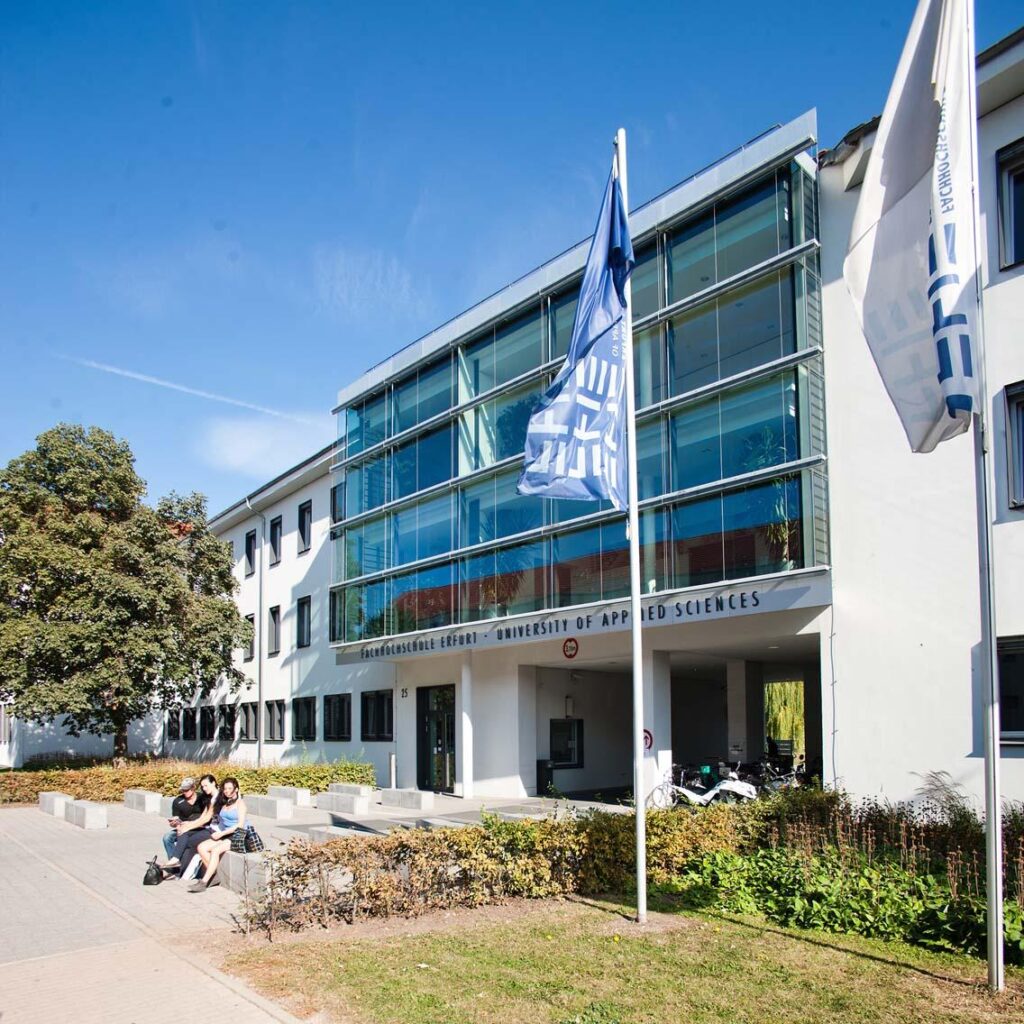
Universities of Applied Sciences (Fachhochschulen)
These institutions emphasize practical learning and industry-focused education. They are an excellent option for many international students.
Regional Public Universities
Many regional universities provide outstanding education while receiving fewer applications than Germany’s most famous institutions. This can improve your admission opportunities.
Programs Related to Your Previous Degree
Applying for a program closely aligned with your bachelor’s degree often increases your chances of admission.
Common Mistakes Students Make
- Many applicants reduce their chances by making avoidable mistakes. These include:
- Applying only to top-ranked universities. Using the same SOP for every application.
- Ignoring program-specific admission requirements.
- Applying after the deadline. Submitting incomplete documents.
- A well-planned application strategy is just as important as your CGPA.
Example Student Profile Student Profile
- CGPA: 2.76/4.00
- IELTS: 7.0
- Bachelor’s: Electrical Engineering Work Experience: 2 Years
- Strong SOP Good
- Recommendation Letters
Result
The student received admission to multiple German universities after applying strategically to programs that matched their profile. This example shows why your overall application matters.
Frequently Asked Questions
Yes, depending on your complete profile and the universities you apply to.
Yes. Relevant work experience can significantly strengthen your application, particularly for professionally oriented master’s programs.
No. A balanced list of dream, moderate, and safe universities usually gives better results.
Some universities require IELTS or TOEFL, while others may accept alternative proof of English proficiency. Always check the specific admission requirements of each program.
Tips to Improve Your Admission Chances
- Apply early.
- Write a personalized Statement of Purpose.
- Improve your IELTS score.
- Gain relevant work experience if possible.
- Apply to multiple universities.
- Ensure all documents are complete and accurate.
Final Thoughts
A low CGPA should not discourage you from pursuing higher education in Germany. German universities assess applicants based on their complete profile, including academic background, language skills, work experience, motivation, and future potential. Instead of focusing only on your CGPA, focus on building a strong application strategy and selecting universities that align with your qualifications. With proper planning and expert guidance, many students with average or below-average CGPAs successfully receive admission every year.
Continue Exploring
- Read Real Student Reviews from Germany
- Ask Verified Students About Their Admission
- Experience Explore German Universities
- Compare Public and Private Universities
- Get Your Free Profile Assessment
Recommended Supporting Images
1. International students walking on a German university campus.
2. Student writing a Statement of Purpose
. 3. International student preparing application documents.
4. University of Applied Sciences campus.
5. Students in a German classroom.
6. Graduation ceremony at a German university.
7. International students discussing on campus.
8. Germany map highlighting major university cities.
9. Student studying in a university library.
10. Student receiving an admission letter. This style of article works well because it answers a common search query, provides practical guidance without making misleading promises, and naturally encourages readers to continue exploring your reviews, community, and university pages.
Share your journey
Studied abroad with ILM Orbit? Write your review.
No login required. Your review helps the next student make a confident decision.